Inspiration is an invaluable tool for the essential minds (like yours) that will shape the future of humanity. It has been learned that the smallest ideas or actions have had monumental effects on the world in which we live. As a lover of metaphysics, psychology, arts, exercise, and education, I have created this blog to inspire readers and promote global change for the better. It is my goal to give readers points of inspiration and the knowledge they need to make excellent changes in their lives and the lives of their acquaintances. I invite you to use this blog as a jumping point. Beginning at the substratum, leaping up through the stratosphere. Let this page be a foundation that you can continuously check back with as a resource for better living.
I encourage thoughtful conversation and would like to hear the voices of my readers (yes I mean you!). If there is a particular topic you would like to hear about, do not hesitate to ask!
Discovery the ancient pagan, medieval, and Christian roots of the Christmas tree tradition and how it evolved into a global holiday symbol.
How ancient nature worship evolved into one of the most beloved symbols of Christmas
Introduction
The Christmas tree is one of the most recognizable and cherished symbols of the holiday season—but its roots stretch far deeper than Christianity. Long before ornaments and electric lights, evergreen trees carried powerful meanings tied to survival, rebirth, and hope during the darkest days of winter. This article explores how ancient traditions gradually evolved into the modern Christmas tree we know today.
Ancient Origins: Evergreens and the Winter Solstice
Long before Christmas existed, ancient cultures revered evergreen plants for their ability to stay green during winter—a powerful symbol of life enduring through darkness.
Early Pagan Traditions
Ancient Egyptians used green palm fronds to symbolize eternal life. Romans, during the festival of Saturnalia, decorated homes with greenery to honor Saturn, the god of agriculture. Celtic and Norse cultures viewed evergreens as sacred, believing they warded off evil spirits and brought protection during winter.
These traditions were closely tied to the winter solstice, the moment when days begin to grow longer—symbolizing the return of light.
Medieval Europe: The Paradise Tree
In medieval Germany, evergreen trees appeared in “Paradise Plays”, religious dramas performed on December 24th (Adam and Eve’s feast day).
A fir tree called a Paradise Tree was decorated with apples (symbolizing the Tree of Knowledge). Wafer cookies were later added, representing redemption. These trees were often brought into homes, becoming a precursor to the Christmas tree.
This blend of Christian symbolism and earlier nature traditions laid the groundwork for the modern custom.
Martin Luther and the First Candle-Lit Tree
According to legend, Martin Luther was inspired by stars shining through evergreen branches on a winter night.
He reportedly added candles to a tree to recreate that vision for his family. Whether myth or fact, this story helped popularize decorated trees among Protestant households in Germany during the 16th century.
The Victorian Era: Christmas Trees Go Global
The Christmas tree remained mostly a German tradition until the 19th century.
Its rise in popularity across Europe and North America is often credited to:
An 1848 illustration of the royal family around a decorated tree captured the public imagination, and the tradition quickly spread.
By the late 1800s:
Trees appeared in homes across England and the United States Ornaments became commercially produced Candles eventually gave way to electric lights
The Modern Christmas Tree
Today’s Christmas trees come in many forms:
Real or artificial Minimalist or heavily decorated Traditional or themed
Yet at its core, the Christmas tree still represents:
Life in the midst of winter Hope, renewal, and light Connection to both nature and tradition
From pagan solstice rituals to medieval plays to modern living rooms, the Christmas tree is a powerful example of how traditions evolve while retaining their original meaning.
Conclusion
The Christmas tree is far more than a decorative object—it’s a living symbol shaped by thousands of years of human history. Rooted in ancient reverence for nature and transformed by religious and cultural shifts, it stands today as a reminder of endurance, hope, and shared tradition during the darkest season of the year.
What does the Christmas tree symbolize to you—faith, family, nature, or something else entirely?
Published by Mindful Explorer · Mindfulexplorer.blog
Teaching guitar in a classroom setting comes with unique challenges: mixed skill levels, limited time, varying student motivation, and often large class sizes. One method book frequently recommended for these situations is Contemporary Class Guitar by Will Schmid. But is it actually effective for teachers and students in a group setting?
This article breaks down the strengths, limitations, and best use cases of Contemporary Class Guitar to help music educators decide if it belongs in their classroom.
Overview of Contemporary Class Guitar
Contemporary Class Guitar was written specifically for classroom guitar instruction, not private lessons. Unlike many solo guitar methods, it is designed to function smoothly with:
Large groups Mixed-ability students Short class periods School-based music programs
This focus alone makes it stand out in the crowded field of guitar method books.
Why Teachers Like This Book
1. Built for Group Instruction
The book’s pacing and layout are classroom-friendly. Concepts are introduced gradually, allowing teachers to move an entire class forward together without leaving beginners behind.
Key advantages include:
Clear lesson sequencing Predictable skill progression Ensemble-style exercises that keep everyone playing
This makes it especially useful for public school music programs.
2. Balanced Musical Skill Development
Rather than focusing on just chords or just melodies, the book blends:
Standard music notation Open-position chords Strumming patterns Basic fingerpicking Simple ensemble arrangements
This balance helps students develop real musicianship, not just chord memorization.
3. Accessible for Non-Guitarist Teachers
One of the book’s biggest strengths is how approachable it is for educators who are not guitar specialists.
Teachers benefit from:
Straightforward explanations Logical sequencing of concepts Minimal prep time once familiar with the method
This makes it a strong choice for band, choir, or general music teachers expanding into guitar instruction.
Student Experience: Is It Engaging?
Students typically respond well because:
Early success comes quickly Parts are musically achievable Group playing reduces pressure
However, motivation often increases when teachers supplement the book with:
Student-chosen songs Pop chord charts Small ensemble challenges
On its own, the repertoire is educational but not always exciting.
Limitations to Consider
1. Not Style-Specific
If your program focuses heavily on:
Classical guitar technique Rock lead guitar Advanced fingerstyle pop
You’ll need additional materials.
2. Limited Contemporary Repertoire
Despite the title, the music leans toward:
Folk-style pieces Traditional classroom material Instructional compositions
Pedagogically solid—but not always aligned with modern student listening habits.
Best Teaching Environments for This Book
Contemporary Class Guitar works best in:
🎸 Middle school guitar classes 🎵 High school guitar electives 🏫 Community and after-school programs 🧑🏫 Large beginner group classes
It is especially effective when structure and consistency are priorities.
How Teachers Can Enhance the Curriculum
To maximize engagement, many educators pair this book with:
This hybrid approach keeps students motivated while maintaining strong fundamentals.
Final Verdict
Overall Rating: 8.5/10 for group guitar instruction
Contemporary Class Guitar by Will Schmid is a reliable, classroom-tested method that delivers exactly what most group guitar teachers need: structure, clarity, and steady progress. While it benefits from supplemental material, its foundation is strong and practical.
If you’re building or refining a school-based guitar program, this book remains one of the safest and most effective choices available.
Have you used Contemporary Class Guitar in your classroom—or are you considering it for a new program? Share your experience or questions and let’s compare notes to build better guitar classes together 🎸
Cocktail hours Jazz-influenced pop Singers who need lead sheets Gigging guitarists who want maximum flexibility
What you get:
Lead sheets: melody line + chords + lyrics Hundreds of iconic pop tunes from the 1960s–present Perfect for building a large, versatile setlist Easy to transpose on the fly Works well for: jazz-pop, chord-melody improvisation, rhythm guitar, solo gigs where you fill out harmony yourself
Why it’s essential:
The Real Pop Book functions like the jazz Real Book but for pop music. For a gigging guitarist, this means one thing: instant access to a massive repertoire, ready to adapt to any audience. That makes it priceless for weddings, wineries, restaurants, bar gigs, and corporate events.
Solo wedding guitar Background music Classical-leaning fingerstyle arrangements Guitarists who DO NOT want to sing
What you get:
Full fingerstyle arrangements written out Standard notation + TAB Songs arranged to sound complete solo Consistent difficulty range (easy to intermediate) Uses stylistically accurate patterns, not “pattern-formula” filler
Why it’s essential:
This book gives you finished, polished solo arrangements. You don’t have to improvise chord-melodies or fill space. Every tune is ready to perform, which is perfect for ceremonies, dinner sets, and cocktail hours where singing isn’t required.
Which Is Better?
Neither—because they serve completely different purposes.
If you want fast repertoire and flexibility, go with:
➡️ The Real Pop Book
If you want beautiful, finished solo arrangements, go with:
➡️ 100 Most Popular Songs for Fingerpicking Guitar
Most working guitarists find the combination perfect:
Real Pop Book = build huge setlists quickly Fingerpicking 100 = polished solo guitar pieces for high-end gigs
Together, these two books will cover almost everything you need for wineries, weddings, bars, restaurants, and small events.
Discover why psychologist Carl Jung believed life truly begins at 40—and how his insights can help you embrace purpose, growth, and self-actualization in midlife.
Entering your 40s can feel like standing at the threshold between two worlds: the ambitions and expectations that drove your younger years, and a growing desire for authenticity, meaning, and inner peace. According to pioneering Swiss psychologist Carl Jung, this shift isn’t an accident—it’s a necessary turning point in your psychological and spiritual development.
In Jung’s eyes, “life really does begin at 40.” Not because youth is unimportant, but because the second half of life asks us to grow in ways we’ve never been asked to grow before.
The Two Halves of Life: Jung’s Core Idea
Jung believed that human life unfolds in two distinct psychological stages:
1. The First Half: Building the Outer World
Throughout our teens, 20s, and 30s, we focus on:
Establishing identity Building careers Creating relationships and families Achieving social success Meeting cultural expectations
This stage is driven by what Jung called the ego—the part of ourselves concerned with roles, accomplishments, and survival.
We’re busy constructing a life that looks stable from the outside.
2. The Second Half: Turning Inward
Around age 40, Jung argued, a shift naturally occurs. The outer achievements that once defined us feel less fulfilling. We begin to sense a deeper inner calling.
This turning point is the beginning of individuation—Jung’s term for becoming your true, whole self.
Why Life Begins at 40
Because You Stop Living Only for the Expectations of Others
By 40, you have enough life experience to see through the roles you were taught to play. Jung believed that the second half of life is when you finally have the courage to release old personas and explore who you truly are.
This is where authenticity begins.
Because You’re Ready to Integrate the Shadow
Jung emphasized the importance of acknowledging your “shadow”—the hidden or repressed parts of yourself. In younger years, you often push these aside to fit in. At 40 and beyond, you’re finally ready to:
Accept your imperfections Own your strengths Heal wounds you’ve avoided
This integration leads to profound psychological freedom.
Because You Begin Seeking Meaning Instead of Success
In youth, goals are external—money, status, achievement.
At midlife, Jung believed the psyche starts craving purpose.
People in their 40s often ask:
What truly matters? Who am I without my job or roles? How can I live in alignment with my deeper values?
These questions don’t signal crisis—they signal transformation.
Because Wisdom Starts Replacing Ambition
Jung argued that wisdom is impossible without lived experience. At 40, you’ve gained:
Emotional resilience Perspective Pattern recognition Compassion for yourself and others
These qualities make the second half of life richer and more grounded than the first.
Because You Can Finally Meet the Self
The “Self,” in Jungian psychology, is the complete, balanced, integrated you—beyond ego, fear, or societal conditioning. The journey toward this deeper Self becomes accessible only when the ego’s youthful ambitions loosen their grip.
Midlife is the doorway.
The Midlife Transition Isn’t a Crisis—It’s a Calling
Modern culture often frames midlife as decline. Jung disagreed.
He believed midlife is the beginning of true psychological adulthood.
Rather than falling apart, you’re being invited to grow:
To release illusions To find purpose To reconnect with meaning To awaken spiritually To live more intentionally
In Jung’s words, the second half of life demands a new kind of task—one rooted not in survival but in becoming whole.
How to Embrace the Jungian Midlife Shift
1. Listen to Your Inner Voice
Jung believed dreams, intuition, and recurring desires reveal what the psyche wants next.
2. Let Go of Outgrown Identities
You are not limited to the roles you played in your 20s and 30s.
3. Do Shadow Work
Exploring the parts of yourself you’ve ignored leads to healing and authenticity.
4. Seek Meaningful Work and Relationships
Align your outer life with your inner truth.
5. Explore Spirituality or Inner Practices
Meditation, journaling, or therapy can support individuation.
Conclusion: The Real Beginning Is Internal
For Jung, life begins at 40 because this is when you finally start living from the inside out, instead of the outside in.
It’s when you begin asking deeper questions, embracing your whole self, and walking a path toward meaning rather than mere achievement.
The second half of life isn’t about decline—it’s about awakening.
Are you ready to step into the version of yourself you were always meant to become?
Discover the key differences between collectivist and individualistic cultures, how they shape behavior, and what they teach us about human connection and identity.
Introduction
Culture shapes how we view the world—how we communicate, make decisions, build relationships, and define success. Two of the most important cultural frameworks are collectivism and individualism. While neither is superior, understanding the differences helps us connect more meaningfully with others.
In this Mindful Explorer guide, let’s break down what sets these two worldviews apart and what we can learn from each.
What Is an Individualistic Culture?
Individualistic cultures focus on personal freedom, self-expression, and individual achievement. People are encouraged to follow their own path—even when it differs from the group.
Key Values
Independence and autonomy Personal rights and freedom Competition and individual success Direct communication and self-expression
How Individualism Shows Up
People in individualistic societies often:
Make decisions based on personal preference Prioritize personal goals over group goals Communicate directly, even during disagreements Define success through personal accomplishments
Where Individualism Is Common
United States Canada United Kingdom Germany Australia and New Zealand
What Is a Collectivist Culture?
Collectivist cultures value the group over the individual. Identity comes from community, family, and social roles, and social harmony is prioritized over standing out.
Key Values
Loyalty to family or group Cooperation and interdependence Social harmony Respect for hierarchy and tradition
How Collectivism Shows Up
People in collectivist societies often:
Make decisions that benefit the group or family Avoid open conflict to preserve harmony Feel responsible for the wellbeing of others Identify themselves through relationships and roles
Where Collectivism Is Common
Japan, China, South Korea Philippines India and much of South Asia Latin America Many regions in Africa and the Middle East
Collectivism vs. Individualism: The Core Differences
Here are the key distinctions explained clearly, without a table:
Identity
Individualistic cultures: identity comes from personal traits and uniqueness. Collectivist cultures: identity comes from group membership and social roles.
Decision-Making
Individualistic: “What do I want?” Collectivist: “What’s best for us?”
Communication Style
Individualistic: direct, assertive, open about disagreements. Collectivist: indirect, harmony-focused, avoids conflict.
Definition of Success
Individualistic: success is measured through personal achievements. Collectivist: success is measured by group wellbeing.
Responsibility
Individualistic: personal responsibility and self-reliance. Collectivist: shared responsibility and community support.
Strengths of Each Cultural Style
Strengths of Individualistic Cultures
Encourages innovation and creativity Protects individual rights and freedoms Builds independence and self-reliance
Strengths of Collectivist Cultures
Fosters cooperation and unity Creates strong, supportive communities Helps reduce social isolation
What We Can Learn From Both
Understanding these cultural mindsets helps us:
Communicate more effectively Build stronger relationships Navigate diverse workplaces Develop greater self-awareness
Many of the world’s most adaptable societies blend both approaches—valuing personal freedom while nurturing collective wellbeing.
Conclusion
Collectivist and individualistic cultures each offer valuable insights into how humans thrive. By embracing the strengths of both, we can cultivate deeper understanding, stronger communities, and a more connected world.
Which cultural values resonate most with you? Let’s explore together in the comments.
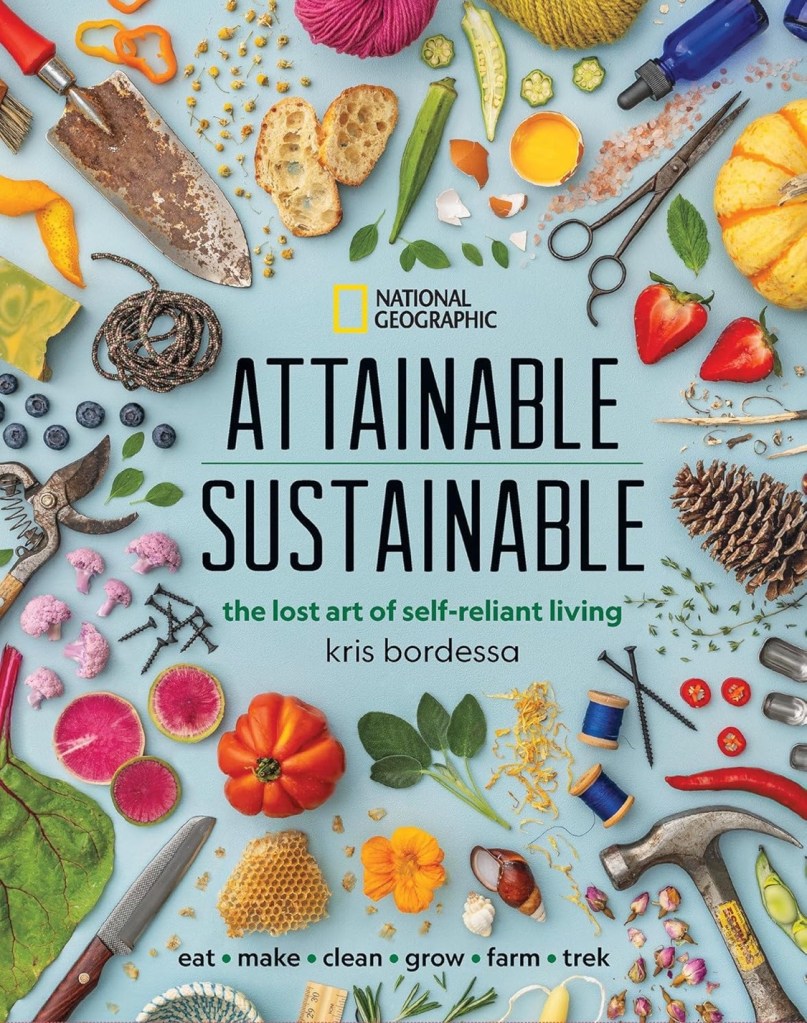
A practical, inspiring review of Attainable Sustainable, the essential guide to modern homesteading, self-sufficiency, and simple living for everyday people.
For anyone curious about homesteading, gardening, or living more intentionally, Attainable Sustainable by Kris Bordessa is one of the most accessible and inspiring guides available today. It blends old-world wisdom with modern practicality, showing that you don’t need acres of land or a full farm setup to build a more self-sufficient life. In this review, we’ll explore why this book has become a staple for aspiring homesteaders, urban gardeners, and anyone striving for a more mindful, sustainable lifestyle.
What the Book Is About
At its core, Attainable Sustainable is a giant, beautifully illustrated handbook focused on realistic ways to produce, preserve, and build more of what you use in daily life. It covers:
Growing your own food Natural home projects DIY household essentials Food preservation Eco-friendly living habits Simple sustainability practices for beginners
The book is structured so you can open to any section and immediately find a project or idea you can try that same day—no need for expensive equipment or large spaces.
Key Themes and Takeaways
1. Self-Reliance Made Simple
One of the biggest strengths of the book is its accessibility. Whether you live in a small apartment or have a big backyard, Bordessa’s approach shows that anyone can start taking steps toward a more independent lifestyle.
2. Food From Garden to Table
The gardening chapters are a highlight, offering clear guidance on:
Companion planting Soil health Growing herbs, vegetables, and fruit Small-space garden solutions
Her step-by-step advice makes gardening feel less intimidating, especially for beginners.
3. DIY Projects That Feel Doable
From homemade cleaners to simple woodworking tasks, the DIY sections are both instructive and inspiring. The instructions are easy to follow, and most projects use affordable, common materials.
4. Preservation & Food Storage
This is where the book shines for anyone wanting to reduce waste or rely less on grocery stores. Bordessa includes techniques like:
Canning Dehydrating Fermenting Freezing
It’s a one-stop reference that demystifies food preservation for people of all skill levels.
5. Sustainability as a Mindset
Beyond the practical guidance, Attainable Sustainable encourages readers to shift how they think—choosing reusable over disposable, intentional over impulsive, handmade over mass-produced. It’s sustainability that feels achievable rather than overwhelming.
Who This Book Is For
This book is ideal for:
Urban or suburban gardeners Beginners wanting a clear path into homesteading Eco-conscious households DIY hobbyists Families looking for hands-on projects Anyone pursuing a slower, more connected lifestyle
Even advanced gardeners or homesteaders will likely find new tips or inspiration.
Strengths of the Book
Highly visual with beautiful photography Clear instructions for novices Wide variety of topics covered in one place Encouraging tone that supports trial and error Practical, low-cost strategies
Areas Some Readers May Want More Depth
While the breadth is excellent, some readers may find they want deeper, more technical information in areas like advanced gardening or large-scale preservation. However, this is more a testament to how inspiring the book is—it makes you want to learn more.
Final Verdict
Attainable Sustainable is one of the most useful and beautiful sustainability guides available today. It’s packed with actionable steps, gorgeous visuals, and a warm, encouraging tone that makes homesteading feel possible for everyone—not just those with land or experience.
If you’re trying to live more intentionally, grow more of your own food, or reduce your dependence on store-bought goods, this book deserves a permanent spot on your shelf.
Conclusion
Living sustainably doesn’t require perfection—it just requires starting somewhere. Attainable Sustainable provides countless entry points for that journey. Whether you want to garden, craft, cook, or preserve, this book will give you the confidence and knowledge to begin.
What sustainable skills are you most excited to learn next?
Start your Thanksgiving with calm, joy, and intention. Here are 10 meaningful Thanksgiving morning activities to set the tone for a peaceful, gratitude-filled day.
Thanksgiving morning sets the tone for the entire holiday. Instead of rushing straight into cooking or travel, carve out intentional moments to ground yourself, enjoy loved ones, and step into the day with gratitude. Here are some of the best ways to start your Thanksgiving morning mindfully.
1. Watch the Sunrise
There’s no better way to welcome a day of gratitude than by watching the world wake up. It’s calm, reflective, and offers a rare moment of stillness before the day gets busy.
2. Brew a Slow, Cozy Cup of Coffee or Tea
Make it a ritual: grind fresh beans, warm a mug, and sip slowly. Enjoy the aroma and warmth. Let this be your grounding moment. Get some Starbucks delivered to your door. Or try some organic matcha.
3. Journal Three Things You’re Grateful For
Gratitude journaling sets an intentional tone for the rest of the day. Even writing a single sentence can shift your mindset. Grab a journal here!
4. Go for a Thanksgiving Morning Walk
A brisk walk boosts energy and boosts mood—perfect before a big meal. Bring a friend or family member along for quality time.
5. Watch the Macy’s Thanksgiving Day Parade
A nostalgic tradition for many families, the parade is a light, joyful way to ease into the festivities.
6. Prep Your Favorite Holiday Dish Early
Starting early removes stress later. Put on music or a podcast and enjoy the process rather than rushing.
7. Do a Mini Workout or Stretching Routine
A short yoga flow, stretching, or bodyweight routine gets your blood flowing and helps balance out the heavier foods later.
8. Call or Text Someone You’re Thankful For
Reconnect with someone you love—family, a mentor, or a friend you haven’t spoken to in a while.
9. Create a Fall Playlist for the Day
Curate songs that feel warm, cozy, and nostalgic. Play it throughout the day to set the holiday mood.
10. Spend a Few Minutes in Nature
Even if it’s just stepping outside to breathe in the crisp air, nature has a way of grounding us in gratitude and presence.
Conclusion
Thanksgiving morning doesn’t have to be hectic. A few intentional rituals—slow coffee, a quiet walk, a moment of gratitude—can transform the entire day. Choose one or two activities from this list to help you begin with peace, clarity, and meaning.
Which Thanksgiving morning ritual will you try this year? Share your thoughts!
Discover the top 10 Thanksgiving side dishes to bring to dinner, from classics like stuffing and mashed potatoes to creative, crowd-pleasing options.
Thanksgiving isn’t just about the turkey — it’s a symphony of flavors, colors, and comforting dishes that bring everyone together. If you’ve been invited to dinner this year and want to show up with something unforgettable, here are ten crowd-pleasing side dishes that travel well, reheat beautifully, and earn you compliments all night long.
1. Classic Garlic Mashed Potatoes
Creamy, buttery, and always a hit. Add roasted garlic for extra depth.
Pro tip: Keep warm in an insulated casserole carrier.
2. Sweet Potato Casserole with Pecan Crumble
A perfect balance of sweetness and crunch.
3. Fresh Green Bean Almondine
Light, bright, and a welcome break from heavier dishes. Toasted almonds add a nutty crunch.
4. Herb Stuffing with Celery and Onion
A Thanksgiving staple that tastes even better the next day.
Try: Fresh sage, rosemary, and thyme for an aromatic boost.
5. Cranberry Orange Relish
A vibrant, refreshing addition that cuts through richer foods.
6. Roasted Brussels Sprouts with Balsamic Glaze
Caramelized sprouts drizzled with a tangy, slightly sweet glaze. Scatter some dried cranberries for color.
7. Baked Mac and Cheese
Comfort food royalty. Use sharp cheddar and Gruyere for a golden, gooey finish.
8. Honey-Glazed Carrots
Simple but elegant. Butter, honey, and a pinch of salt work magic on this humble vegetable.
9. Homemade Dinner Rolls
Soft, fluffy, and perfect for soaking up sauces.
Time-saver: Bake in advance and warm them briefly before serving.
10. Pumpkin Pie Bars
Dessert counts as a side—we’ll allow it! Easier to transport than a full pie, but just as delicious.
Conclusion
Bringing the perfect Thanksgiving side dish doesn’t have to be stressful. Choose one of these ten favorites and you’ll arrive with something delicious, shareable, and sure to impress. Which one will you bring to the table this year?
Tai Chi is a gentle, mindful practice that strengthens the body, calms the mind, and improves balance, flexibility, and overall well-being. Discover how this ancient art can enhance your health at any age.
What Is Tai Chi?
Tai Chi (also spelled Taiji or Tai Chi Chuan) is an ancient Chinese martial art rooted in Taoist philosophy. Known for its graceful, flowing movements, Tai Chi combines meditation, balance, and breath control to harmonize the mind and body.
Often described as “meditation in motion,” it emphasizes inner awareness rather than outward strength. Though it began as a martial discipline, Tai Chi is now practiced worldwide as a gentle form of exercise and mindfulness suitable for all ages.
1. Improves Balance and Coordination
One of Tai Chi’s most celebrated benefits is its ability to enhance balance. By shifting weight slowly and intentionally through controlled postures, practitioners develop:
Stronger leg muscles and core stability Improved coordination and body awareness Reduced risk of falls, especially in older adults
Research shows that consistent Tai Chi practice can significantly lower fall rates among seniors, making it a cornerstone of healthy aging.
2. Reduces Stress and Anxiety
Tai Chi’s rhythmic, mindful movements promote a state of calm focus, similar to meditation. Controlled breathing lowers cortisol levels, while the emphasis on present-moment awareness helps release mental tension.
Many practitioners report:
Better mood regulation Reduced anxiety and depression Deeper emotional resilience
Practicing Tai Chi even 10–15 minutes daily can bring noticeable changes in mental clarity and peace.
3. Enhances Cardiovascular and Respiratory Health
Although it appears gentle, Tai Chi engages nearly every muscle group and encourages deep, controlled breathing, improving oxygen flow and circulation. Over time, this can:
Strengthen the heart and lungs Lower blood pressure Improve endurance and energy levels
Studies have found Tai Chi beneficial for people managing hypertension, heart disease, and chronic respiratory issues.
4. Builds Strength Without Strain
Unlike high-impact workouts, Tai Chi develops functional strength through fluid resistance rather than force. Movements engage the legs, hips, arms, and core, enhancing muscle tone without overexertion or joint stress.
This makes it ideal for:
Older adults Individuals recovering from injuries People with arthritis or chronic pain
5. Improves Flexibility and Joint Health
The gentle, circular motions of Tai Chi encourage joint mobility and connective tissue flexibility. With regular practice, stiffness decreases, and range of motion improves.
It’s particularly effective for those managing conditions like fibromyalgia or osteoarthritis, helping reduce pain and inflammation naturally.
6. Strengthens the Immune System
Tai Chi may boost immune response by lowering stress hormones and improving circulation of white blood cells. One study found that older adults who practiced Tai Chi regularly showed higher antibody levels and fewer respiratory infections compared to non-practitioners.
7. Supports Cognitive and Emotional Health
Tai Chi requires focus, memory, and coordination — all of which stimulate neural plasticity and brain health. Regular practitioners often experience:
Sharper attention and memory Slower age-related cognitive decline A deeper sense of mindfulness and self-awareness
8. Encourages Mind-Body Harmony
Perhaps Tai Chi’s greatest gift is inner balance — the harmony between physical movement, breath, and thought. It embodies the Taoist principle of yin and yang, reminding us to move through life with both strength and softness.
Practicing Tai Chi nurtures not only the body, but also the spirit of patience, presence, and peace.
Getting Started with Tai Chi
You don’t need special equipment or a gym — just comfortable clothing and an open mind. Start with:
Local classes or community park groups Online tutorials for beginners A simple daily goal of 10 minutes of mindful movement
Remember: Tai Chi is less about perfection and more about consistency and awareness.
Final Thoughts
Tai Chi is more than an exercise — it’s a way of life that promotes health, longevity, and inner tranquility. Whether you seek physical vitality, emotional healing, or mental clarity, its slow, flowing movements offer a timeless path to well-being.
So the next time you step outside, pause, breathe deeply, and let the world move in harmony with you.
Discover the timeless power of George Orwell’s 1984 — a chilling vision of a world ruled by surveillance, censorship, and lost freedom. This summary and analysis explore the novel’s plot, key themes, and why Orwell’s warning about truth and control still matters in today’s digital age.
If you’ve ever heard phrases like “Big Brother is watching you” or “doublethink,” you already know a little bit about George Orwell’s 1984 — even if you haven’t read it. Published in 1949, this dystopian novel imagines a future where truth, privacy, and individuality have been crushed by total government control. And more than 70 years later, its message still hits home.
📖 Quick Summary of 1984
Orwell sets 1984 in Oceania, one of three massive superstates locked in endless war. Society is ruled by the Party, led by the ever-present but possibly fictional Big Brother. Citizens are watched day and night through telescreens and microphones. Even thinking rebellious thoughts — called “thoughtcrime” — can get you killed.
Our main character, Winston Smith, works at the Ministry of Truth, where his job is to rewrite history to match whatever the Party claims is true. Deep down, Winston secretly despises the regime and dreams of finding real freedom.
💔 Love, Betrayal, and the Fight for Truth
Winston begins a secret love affair with Julia, a young woman who also hates the Party. Together, they rent a small apartment and believe they’ve found a place beyond Big Brother’s reach. But their happiness is short-lived — they’re betrayed, arrested by the Thought Police, and taken to the Ministry of Love.
There, Winston is tortured by O’Brien, a Party official who breaks his spirit, forcing him to betray Julia and accept the Party’s control. By the novel’s heartbreaking end, Winston is completely brainwashed and confesses that he “loves Big Brother.”
⚙️ Major Themes in 1984
🧠 1. Surveillance and Power
Orwell warns how surveillance can destroy personal freedom. In 1984, every action and emotion is monitored — a chilling reflection of modern concerns about technology and privacy.
🗣️ 2. Truth and Language
Through Newspeak — a simplified, restricted form of English — the Party controls how people think. If the language of rebellion doesn’t exist, rebellion itself becomes impossible.
🔓 3. Freedom and Resistance
Winston’s desire for truth and love shows the human spirit’s natural resistance to oppression. His failure reminds us how fragile freedom can be when fear and propaganda take over.
🌍 Why 1984 Still Matters Today
1984 isn’t just an old novel — it’s a timeless warning. In a world where misinformation spreads online, governments track data, and truth is constantly debated, Orwell’s story feels more relevant than ever.
Phrases like Big Brother, thoughtcrime, and doublethink have become part of everyday language because they reflect real dangers we still face today.
🕯️ Final Thoughts
Orwell didn’t write 1984 to predict the future — he wrote it to prevent it. The novel challenges us to stay alert, think critically, and protect truth in a world that often distorts it.
As long as we remember the lessons of 1984, there’s hope that Big Brother will remain fiction — not reality.



































 Mindful Explorer